Landscape & Night Sky Workshops & Retreats
Explore extraordinary landscapes, photograph beneath some of the darkest skies in the American West, and build the skills to create your strongest images through small-group workshops and immersive retreats. Explore WorkshopsLEARN PHOTOGRAPHY IN THE FIELD
Photography is about more than camera settings. It’s about learning to see light, understanding a landscape, and knowing how to respond when conditions change.
That’s why every workshop is built around real field experience—not classrooms or scripted demonstrations. You’ll spend your time photographing remarkable locations alongside experienced instructors who help you understand not just how to create an image, but why it works.
Whether you’re photographing your first Milky Way or refining advanced landscape and night photography techniques, you’ll receive personalized guidance in a relaxed, small-group environment with plenty of time for questions and individual instruction.
LEARN PHOTOGRAPHY IN THE FIELD
Photography is about more than camera settings. It’s about learning to see light, understanding a landscape, and knowing how to respond when conditions change.
That’s why every workshop is built around real field experience—not classrooms or scripted demonstrations. You’ll spend your time photographing remarkable locations alongside experienced instructors who help you understand not just how to create an image, but why it works.
Whether you’re photographing your first Milky Way or refining advanced landscape and night photography techniques, you’ll receive personalized guidance in a relaxed, small-group environment with plenty of time for questions and individual instruction.
MEET YOUR INSTRUCTOR
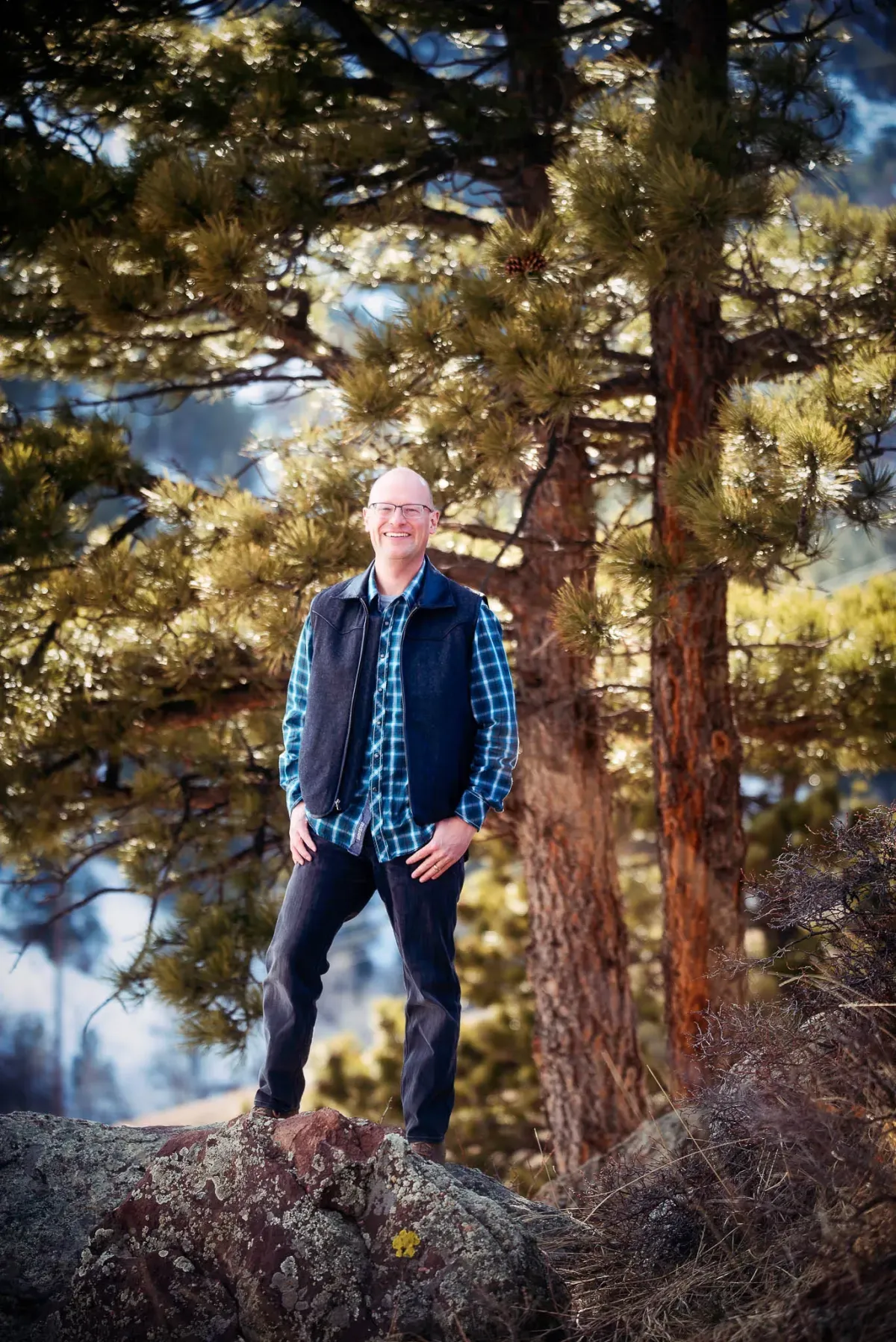
Based in the Colorado Rockies, Alan Stenback has spent years photographing the mountains, deserts, and dark skies of the American West. His work is driven by a passion for wild places, thoughtful composition, and helping others build confidence behind the camera.
Together, Alan and his wife Gina design and lead photography workshops that are intentionally small, welcoming, and carefully planned from beginning to end. Their goal is simple: create memorable experiences that help photographers return home with stronger images, new skills, and the confidence to continue exploring on their own.
Small Groups
Limited group sizes mean plenty of individual coaching and time to ask questions.
Extraordinary Locations
Photograph some of the American West’s most dramatic landscapes beneath exceptionally dark skies.
Hands-On Instruction
Learn through real field experience with practical guidance before, during, and after every shoot.
HERE’S WHAT PREVIOUS WORKSHOP PARTICIPANTS HAVE SHARED ABOUT THEIR EXPERIENCE:
"I thought the workshop was absolutely wonderful. I had a fantastic time and learned a lot. You did an outstanding job putting everything together, and it was obvious how much thought and effort went into making it such a great experience."
"It was one of the best experiences of my life. Alan and Gina were great tour guides... Highly recommend for any photographer whether beginner or experienced"
CHOOSE YOUR ADVENTURE
Whether you’re looking for a single evening beneath Colorado’s alpine skies or a multi-day destination experience, there’s a workshop designed to meet you where you are.
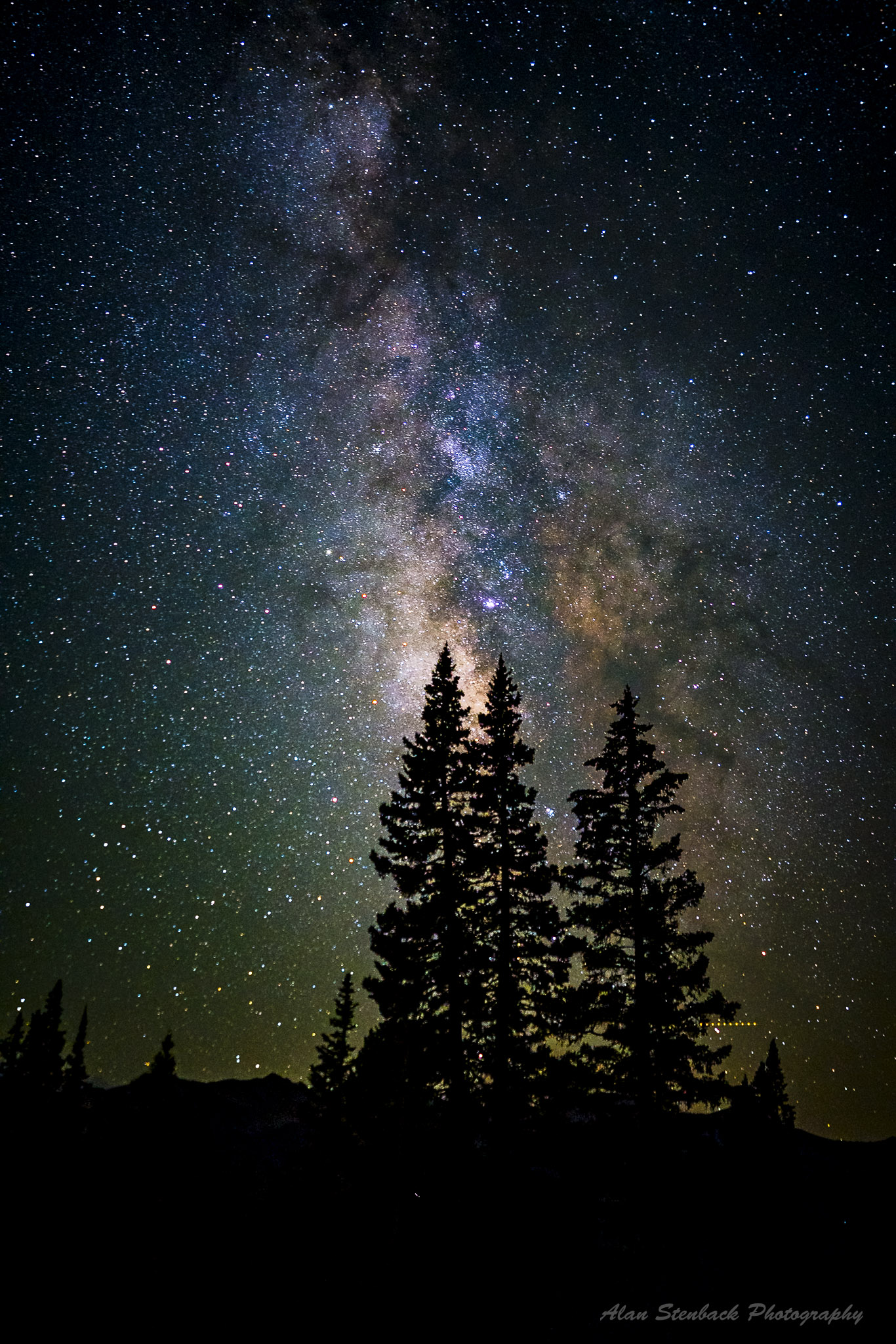
BRISTLECONE PINES & MILKY WAY PHOTOGRAPHY WORKSHOP
Photograph the Milky Way Over Ancient Bristlecone Pines at 11,000 Feet
📍 Colorado
👥 Max 5 Guests
⭐ All Skill Levels
THREE NIGHT ASTROPHOTOGRAPHY RETREAT
Hands-On Astrophotography Retreat Under Colorado’s Darkest Skies
📍 Colorado
🛏 3 Nights
👥 Max 5 Guests
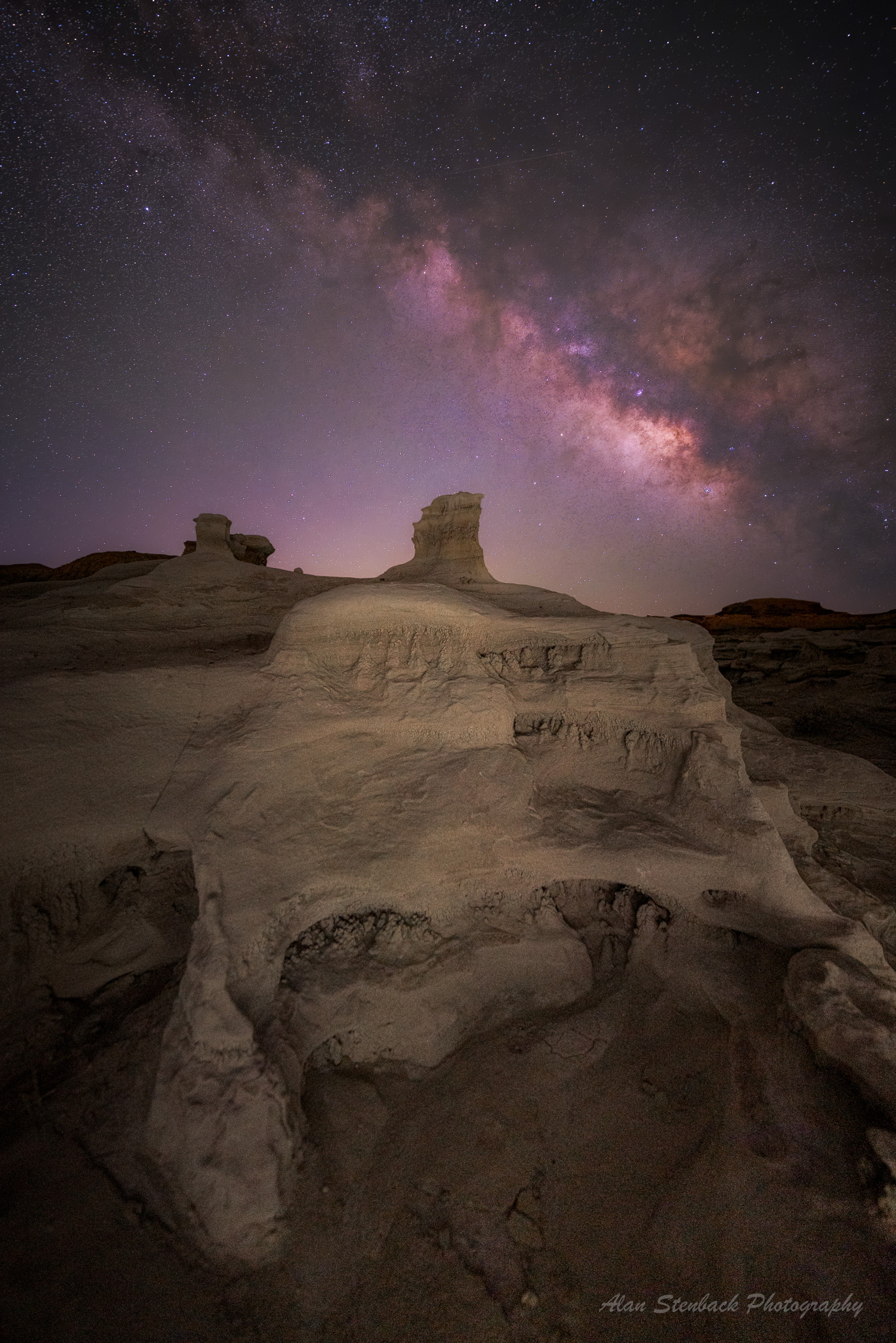
BISTI BADLANDS NIGHT SKY PHOTOGRAPHY WORKSHOP
Photograph the Milky Way Above New Mexico’s Otherworldly Badlands
📍 New Mexico
👥 Max 5 Guests
🪪 Fully Permitted
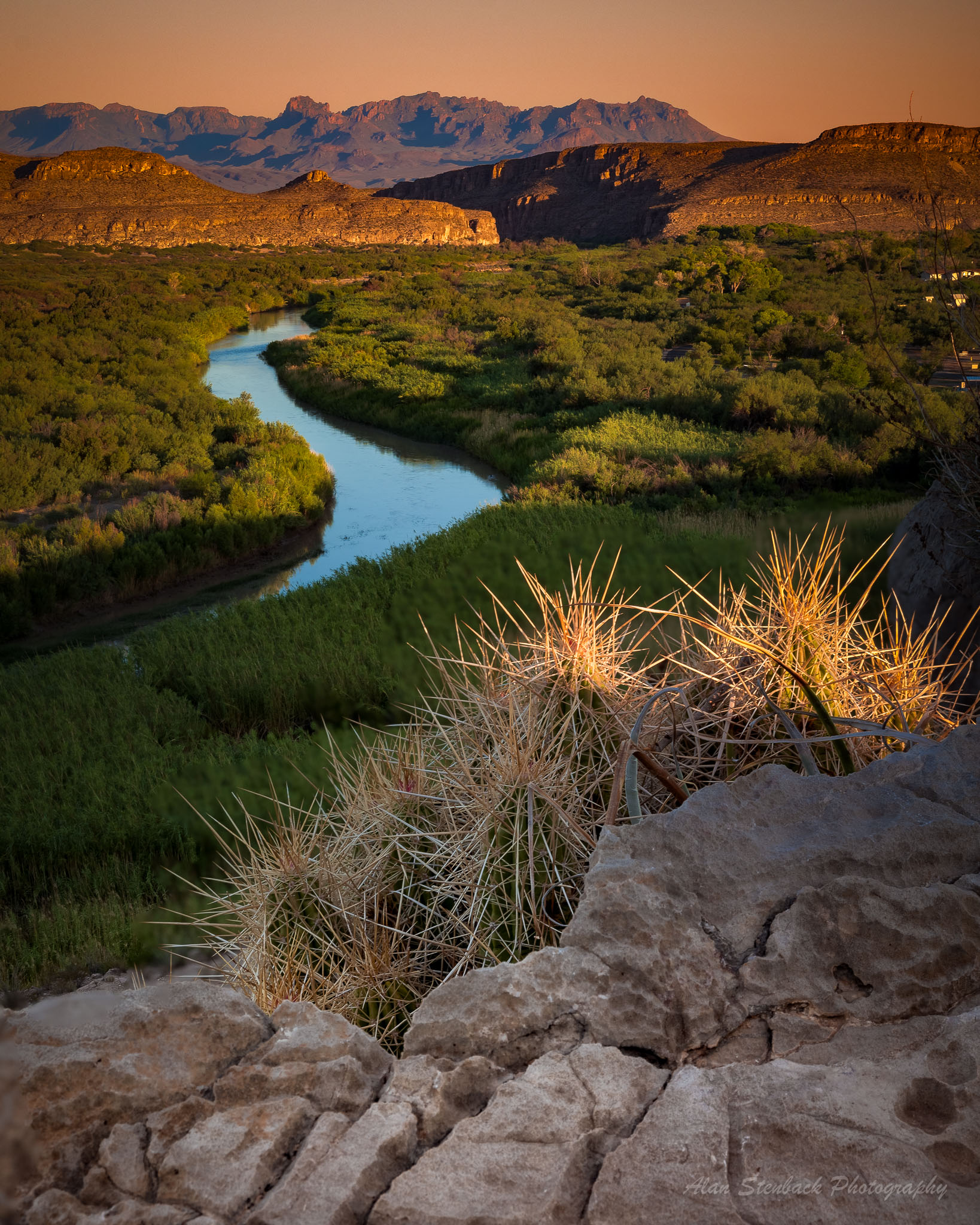
BIG BEND NATIONAL PARK PHOTOGRAPHY WORKSHOP
Desert Landscapes by Day.
Dark Skies by Night.
📍 Texas
👥 Max 5 Guests
🪪 Fully Permitted
"Was a well planned and informative night. Would recommend highly"
"I really enjoyed my time spent with Alan and Gina in Colorado and hope to join again in the future on another adventure"
FREQUENTLY ASKED QUESTIONS
Who are these photography workshops for?
Our workshops are designed for beginner through experienced photographers who want practical, hands-on guidance in the field. You do not need previous astrophotography experience, although familiarity with your camera’s basic controls is helpful. We can also help you become more comfortable working in manual mode.
Do I need previous astrophotography experience?
No. We teach a repeatable workflow for camera setup, manual focus, exposure, composition and troubleshooting in the dark. More experienced photographers can refine their technique, explore advanced approaches and receive personalized coaching based on their individual goals.
What camera gear do I need?
You’ll need a DSLR or mirrorless camera with manual exposure controls, a wide-angle lens and a sturdy tripod. A lens between approximately 14mm and 24mm with an aperture of f/2.8 or faster is ideal, although other lenses may also work. A headlamp with a red-light mode, spare batteries and a remote shutter release or compatible camera app are also recommended.
What are the recommended baseline camera settings?
A typical starting point for Milky Way photography is a wide-angle focal length, an aperture between f/1.8 and f/2.8, a shutter speed between 10 and 25 seconds and an ISO between 1600 and 6400. We’ll adjust those settings in the field based on your camera, lens, focal length and current sky conditions.
Will we photograph the Milky Way at every workshop?
Our night sky workshops are scheduled during periods when the Milky Way or galactic core should be visible under dark skies. Actual visibility depends on clouds, haze, smoke and other conditions beyond our control. When skies are clear, we prioritize as much Milky Way photography time as possible.
Where do the workshops meet?
General meeting areas are listed on each workshop page. Registered guests receive detailed meeting instructions, driving information and field-location guidance before the event. Some exact shooting locations may be shared only with registered guests to help protect sensitive landscapes and reduce unnecessary impact.
How physically demanding are the workshops?
Physical requirements vary by location, but guests should generally be comfortable walking on uneven terrain while carrying their camera gear in low light. Colorado workshops may take place above 10,000 feet, where elevation can make even a short walk feel more strenuous. Each workshop page includes specific information about walking distance, terrain and elevation.
What should I bring besides camera gear?
Bring warm layers, sturdy footwear, water, snacks and any personal medications you may need. Temperatures can drop quickly after sunset, even during summer. Gloves, a warm hat and a small camp chair may also be useful depending on the workshop and location.
What happens if the forecast is cloudy or conditions change?
Night sky photography depends on weather, smoke, haze and other changing conditions. Workshops generally proceed when conditions are safe, even when the sky is not ideal. We may adjust the schedule, location or instructional plan to make the best use of available conditions. If weather or another hazard creates an unsafe situation, we may delay, modify or cancel part of the field session according to the policy for that specific event.
Is post-processing instruction included?
Post-processing instruction varies by event. Some single-night workshops may include follow-up editing instruction, while multi-day retreats include more extensive guided editing and workflow sessions. Check the individual workshop page for exactly what is included.
How many guests attend each workshop?
Most workshops are limited to five guests. Keeping groups small allows for personalized instruction, easier troubleshooting and meaningful time with each photographer in the field.
Does the Colorado astrophotography retreat include lodging?
Yes. The Colorado astrophotography retreat includes three nights of accommodations and local transportation to scheduled field locations. Meals and transportation to the Fairplay area are not included unless otherwise stated on the retreat page.
Are transportation or meals included with single-night workshops?
Transportation to and from single-night workshops is not included. Guests typically meet at a designated location and caravan in their own vehicles to the field location. Meals are not included, so plan to bring your own water, snacks and any food you may need.
What is the cancellation and transfer policy?
Workshop and retreat payments are generally non-refundable unless otherwise stated for a specific event. Transfer options are not guaranteed, but may be offered at our discretion when sufficient notice is provided and space is available. The complete terms for each workshop are provided during registration and checkout.
Can I bring a friend or spouse who is not participating?
Field sessions are generally limited to registered guests. Small group sizes, permit limits, transportation logistics and nighttime safety make it difficult to accommodate additional companions. Contact us before registering if you have a specific situation you would like us to consider.
Are the workshops permitted?
Workshops conducted on public lands are operated under the commercial permits or authorizations required by the managing agency. Applicable permit information is listed on the individual workshop page.
Is it safe to photograph outdoors at night?
Safety is a priority throughout every workshop. We keep groups small, review nighttime safety practices and select field locations intentionally. Guests remain responsible for their footing, personal health and situational awareness, but you will be working alongside the group rather than navigating the landscape alone.