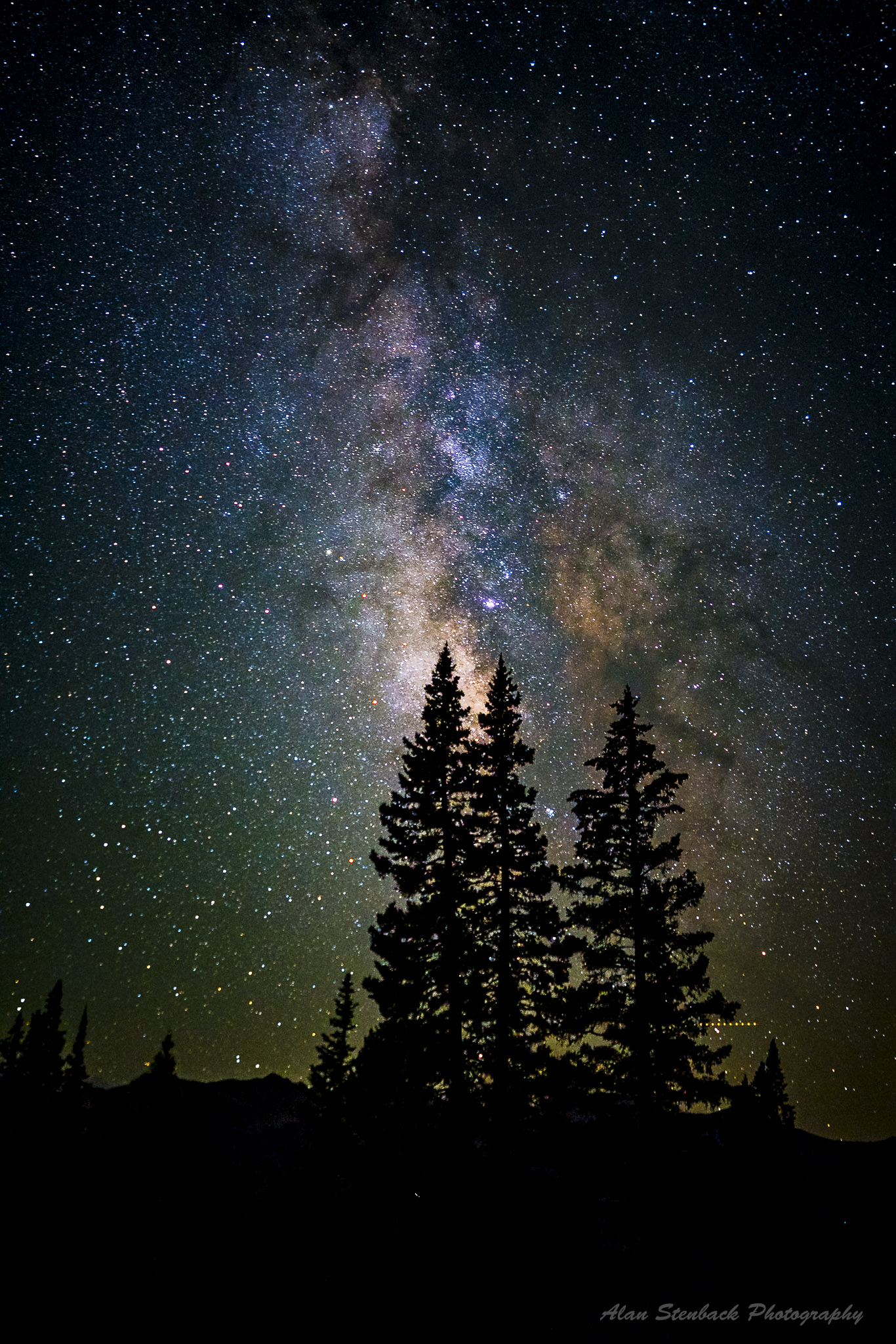
Take Your Milky Way Photography Beyond Guesswork
3 Nights Under Colorado’s Darkest Skies
Hands-On Astrophotography Retreat
No guesswork. Two instructors. Real in-field guidance plus editing sessions. You’ll gain the skills and confidence to not only capture, also process stunning night sky images—from camera setup to final edit.
- Announcing 2027 dates soon!
Accommodations Included • $1,850 Total • $500 Deposit • Small Groups • Personalized Instruction • All experience levels welcome
Ready to take your astrophotography to the next level?
This Retreat Is For You If:
✔ You’ve tried photographing the Milky Way, and it didn’t workout like you expected
✔ You’re tired of guessing your settings in the dark
✔ You want real, hands-on guidance – not piecing together from YouTube
✔ You want to gain real understanding of the craft, so you can repeat it later
✔ You rather learn in a small, focused group not get lost in a crowd
If weather impacts shooting conditions, we adjust locations and timing to maximize opportunities. You’ll still leave with the full learning experience.

Why Fairplay Has Some of Colorado’s Best Night Skies
Located in the wide-open South Park basin of Colorado’s central mountains, Fairplay offers some of the darkest and most accessible skies in the state.
The area sits at over 9,900 feet in elevation, surrounded by high mountain ranges and far from major urban light pollution. These conditions create excellent visibility of the Milky Way and deep space objects throughout the night.
South Park is known for its broad horizons and expansive landscapes, making it an ideal location for Milky Way landscape photography.
From spring through early fall, the Milky Way rises clearly above the mountains, providing incredible opportunities to photograph the galaxy over Colorado’s alpine terrain.
Combined with short travel distances to shooting locations and consistently dark skies, the Fairplay area provides an exceptional environment for learning astrophotography.

You’ll Walk Away With
- A portfolio of Milky Way images captured under dark mountain skies
- A clear understanding of camera settings and night workflow
- Confidence shooting and focusing in complete darkness
- Experience with both Milky Way and deep-sky techniques
- A repeatable process you can use anywhere
Retreat Schedule
Thursday — Arrival & First Night Under the Stars
Guests arrive in the afternoon for check-in at the retreat cabin and time to get settled before the retreat begins.
The evening starts with introductions and orientation, followed by the Essential Night Photography Techniques presentation, where we cover the core skills needed to capture the night sky successfully.
Next is a hands-on gear overview and setup session, making sure cameras, lenses, and tripods are properly prepared for the night ahead.
After sunset we head into the field for Night Shoot #1, focusing on Milky Way landscape photography and learning how to confidently dial in camera settings under dark skies.
Friday — Editing & Refining Your Technique
Friday morning is relaxed so everyone can recover from the late night.
In the afternoon we meet for a Post-Processing Workshop, where you’ll learn the key techniques used to transform night images into finished photographs.
Topics include:
- Noise reduction
- Color balance and contrast
- Milky Way enhancement
- Exposure blending
- Creating clean, natural night sky images
This is a hands-on editing session, so bring your laptop and we’ll work directly with images captured the previous night.
After sunset we return to the field for Night Shoot #2, refining technique, composition, and exposure with guidance throughout the night.
Saturday — Deep Space & Advanced Techniques
Saturday focuses on expanding your astrophotography skills.
We begin with a Deep Space Photography discussion, introducing techniques for capturing more detailed night sky images using tracking mounts and advanced capture methods.
This session includes a hands-on gear overview, demonstrating how star trackers work and how to set them up.
That evening we head out for Night Shoot #3, the final night in the field where participants can experiment with both Milky Way landscapes and tracked deep-sky techniques with guidance throughout the night.
Sunday — Departure
Sunday morning is departure day after breakfast.
Guests leave with new images, new skills, and a deeper understanding of photographing the night sky.

Accommodations
Your retreat includes three nights of lodging in a spacious mountain cabin.
Participants will have private bedrooms while sharing comfortable common areas designed for relaxing, editing photos, and discussing photography with the group.
The cabin provides:
- Large shared living spaces
- Full kitchen access
- Comfortable areas for editing and discussion
- Outdoor space for relaxing between sessions
- Easy access to nearby night photography locations
The goal is to create a comfortable and collaborative environment where photographers can learn, relax, and connect.
Meals
Meals are not included, giving guests flexibility throughout the retreat.
Participants will have access to the full kitchen at the cabin, and the nearby town offers restaurants, groceries, and coffee shops for meals during the weekend.
Many participants choose to cook simple meals together or explore local dining options between sessions.
Transportation
Local transportation to and from photography locations during the retreat is included.
Participants will travel together in a comfortable SUV, making it easy to reach our night photography locations safely and efficiently. Many of the best astrophotography locations require driving mountain roads after dark, so traveling together allows everyone to relax and focus on the photography experience.
What You’ll Learn
During the retreat you’ll learn how to:
- Photograph the Milky Way with confidence
- Dial in the correct night photography camera settings
- Compose strong night landscapes
- Use advanced focusing techniques in the dark
- Process astrophotography images professionally
- Understand star trackers and deep-sky techniques
- Build a reliable night photography workflow
By the end of the retreat, you’ll understand how to confidently photograph and process the night sky on your own.
Who This Retreat Is For
This retreat is ideal for photographers who:
- Want to learn astrophotography in a hands-on environment
- Already know basic camera controls and want to expand their skills
- Want personalized guidance in the field
- Prefer small groups and immersive learning experiences
- Love spending time outdoors under dark skies
Skill Level
Participants should have a basic understanding of their camera and be comfortable using manual settings.
You do not need prior astrophotography experience. The retreat is designed to guide photographers through the entire process step by step.
What Makes Our Workshops Different
Small Groups, Real Instruction
Our retreats are intentionally limited to a small number of participants so everyone receives individual guidance. Instead of trying to keep up with a large group, you’ll have time to ask questions, refine your technique, and get help exactly when you need it.
Learning in the Field
Astrophotography is best learned under the night sky, not just in a classroom. Each night we’re out photographing together, working through real conditions and real scenes so you gain experience you can use long after the retreat ends.
A Complete Workflow
Many workshops focus only on capturing images in the field. During this retreat you’ll also learn how to process your images properly, so you leave understanding the full workflow from capture to finished photograph.
A Comfortable Retreat Environment
The retreat takes place in a spacious mountain cabin, giving everyone a comfortable place to relax, edit images, and talk photography between sessions. With private bedrooms and shared spaces, the environment is both social and relaxed.
Dark Skies Matter
Great astrophotography requires truly dark skies, something that’s becoming harder to find. Our locations are carefully chosen to provide excellent night sky visibility and strong Milky Way viewing conditions.
Passion for the Craft
These workshops aren’t about rushing through locations or packing in as many stops as possible. They’re about slowing down, learning the craft, and experiencing the night sky in a meaningful way.
Why a Multi-Night Retreat?
- Learning night photography takes time.
- A single evening workshop often leaves photographers feeling rushed. With three nights together we can:
- Practice techniques multiple times
- Review images and improve between shoots
- Work through editing together
- Explore more advanced techniques
Why 3 Nights Makes a Difference
A single night can show you the basics.
Three nights gives you the time to:
- Practice and refine your technique
- Review your images and improve
- Learn editing with your own photos
- Build real confidence shooting on your own
By the end of the retreat, participants leave with both the knowledge and confidence to continue photographing the night sky on their own.
If You’ve Been Wanting to Learn Night Photography…
This is the environment to do it right.
Not rushed.
Not crowded.
Not guesswork.
Three nights. Real instruction. Dark skies.
July 16–19 in Fairplay is the only confirmed summer retreat date, and only a few spots remain.
If you’ve been thinking about doing something like this, this is your window.
Questions before booking?
Feel free to reach out to us at hello@alanstenbackphotography.us — we’re happy to help you determine if this retreat is a good fit.

Meet Your Instructor
Alan Stenback is a Colorado-based landscape, night-sky and commercial photographer known for capturing the relationship between wild landscapes and the skies above them.
Alan has spent years photographing remote landscapes throughout the American West and believes the best photography workshops combine technical instruction with a genuine appreciation for place.
His workshops combine practical, field-tested instruction with a thoughtful approach to composition, light and place. Rather than teaching a single formula, Alan helps photographers better understand their equipment, solve problems in real-world conditions and create photographs that feel connected to the experience of being there.
With a maximum of five participants, this workshop offers the kind of individual guidance that is difficult to provide in a larger group.
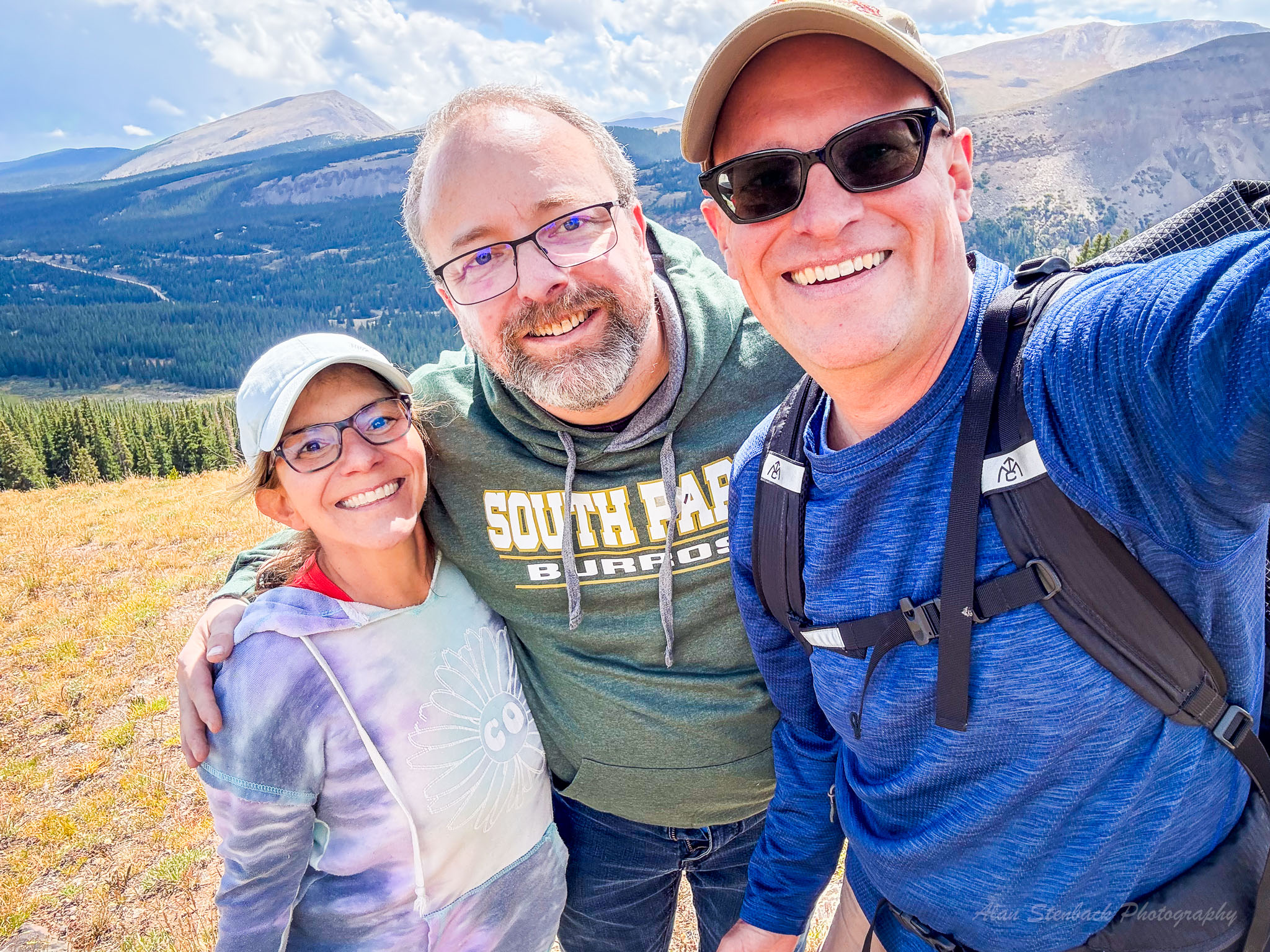
Mike Debreceni is an experienced night sky photographer based in Monroe, Washington, just outside Seattle. His work spans Milky Way landscapes, deep sky imaging, and both solar and lunar eclipses, giving him a broad and well-rounded perspective on photographing the night sky.
Mike specializes in deep sky targets—capturing galaxies, nebulae, and star clusters—and brings a strong technical skill set to the field. He regularly works with star tracking systems and modern tools like the Seestar smart telescope, making advanced astrophotography more accessible and approachable for photographers at all levels.
During the retreat, Mike will lead sessions focused on deep sky imaging, including star tracking techniques and how to use tools like the Seestar to capture detailed images of the night sky beyond the Milky Way. His teaching style is clear, practical, and grounded in real-world experience, helping participants understand both the technical process and how to apply it in the field.
He’ll also be available throughout the retreat to provide hands-on guidance, troubleshoot setups, and support participants as they expand their skills under Colorado’s dark skies.
HERE’S WHAT PREVIOUS WORKSHOP PARTICIPANTS HAVE SHARED ABOUT THEIR EXPERIENCE:
"I thought the workshop was absolutely wonderful. I had a fantastic time and learned a lot. You did an outstanding job putting everything together, and it was obvious how much thought and effort went into making it such a great experience."
"It was one of the best experiences of my life. Alan and Gina were great tour guides... Highly recommend for any photographer whether beginner or experienced"
Location & Directions
Colorado 3-Night Astrophotography Retreat FAQs
What makes the retreat different from a single-night workshop?
The retreat offers a more complete and immersive astrophotography experience. Over three nights, you’ll have more time to practice, refine your technique, photograph multiple locations and work through challenges without feeling rushed.
In addition to guided field sessions, the retreat includes image review and hands-on post-processing instruction. The goal is to help you build a complete workflow—from planning and camera setup to capture, editing and final image refinement.
Who leads the retreat?
The retreat includes two instructors, allowing guests to receive more personalized help in the field and during editing sessions. Instruction is practical, supportive and adapted to the cameras, lenses and experience levels represented in the group.
Are accommodations included?
Yes. Three nights of cabin accommodations are included. Guests have private bedrooms while sharing comfortable common areas, bathrooms and a full kitchen with the group.
The cabin also serves as our base for image review, post-processing instruction, group discussions and downtime between field sessions. Complete lodging and check-in details are provided before the retreat.
Where is the retreat located?
The retreat is based near Fairplay, Colorado, in the South Park region of the Rocky Mountains. This gives us access to several high-elevation landscapes and dark sky locations within driving distance of the cabin.
Exact lodging, check-in and meeting details are provided to registered guests before the retreat.
Is local transportation included?
Yes. Transportation between the retreat cabin and scheduled photography locations is included. The group travels together so guests do not need to navigate unfamiliar mountain roads at night or drive after long field sessions.
Guests are responsible for their own transportation to and from the Fairplay area at the beginning and end of the retreat.
Are meals included?
No. Meals are not included. Guests have access to the cabin’s full kitchen and may prepare their own meals. Fairplay also has grocery stores, restaurants, coffee shops and other dining options.
Because field sessions may run late into the night, we recommend bringing snacks, water and simple meals that can be prepared around the photography schedule.
What skill level is the retreat best suited for?
The retreat is designed for beginner through experienced photographers who want to become more confident photographing and processing the night sky. Previous astrophotography experience is not required, although familiarity with your camera’s basic controls is helpful.
Beginners will learn a repeatable workflow, while more experienced photographers can refine their technique, explore advanced methods and receive personalized guidance throughout the retreat.
Do I need previous astrophotography experience?
No. We’ll cover camera setup, manual focus, exposure, composition and troubleshooting in the dark. With three nights together, you’ll have time to practice each part of the process and apply what you learn during multiple field sessions.
What techniques will we cover?
Instruction may include Milky Way planning, camera setup, manual focus, exposure, composition, foreground lighting, panoramic photography, image stacking, star tracking and blending foreground and sky exposures.
We’ll also discuss how to choose the right technique for a scene rather than using advanced methods simply for the sake of complexity. The exact subjects covered may vary depending on conditions, guest interests and available shooting opportunities.
Will we use star trackers?
Star tracking is introduced as part of the retreat, and guests who own a tracker are welcome to bring it. A tracker is not required to participate, and much of the retreat can be completed with a camera, wide-angle lens and sturdy tripod.
We’ll also discuss affordable ways to explore tracking and longer exposures without assuming every guest owns specialized equipment.
What camera gear should I bring?
You’ll need a DSLR or mirrorless camera with manual exposure controls, a wide-angle lens and a sturdy tripod. Recommended equipment includes:
- A wide-angle lens, ideally between approximately 14mm and 24mm
- An aperture of f/2.8 or faster when possible
- A sturdy tripod
- Several fully charged batteries and a battery charger
- A headlamp with a red-light mode
- A remote shutter release or compatible camera app
- Empty memory cards with enough storage for several nights
- A laptop and charger for editing sessions
- An optional star tracker if you already own one
If you’re unsure whether your camera, lens or computer setup is suitable, contact us before the retreat and we’ll help you prepare.
What camera settings should I start with?
A typical starting point for Milky Way photography is a focal length between 14mm and 24mm, an aperture between f/1.8 and f/2.8, a shutter speed between 15 and 25 seconds and an ISO between 3200 and 6400.
Your final settings will depend on your camera, lens, focal length and sky conditions. We’ll help you understand how to make those decisions rather than relying on one fixed set of settings.
What software will we use for post-processing?
Our primary workflow uses Adobe Lightroom and may also include specialized software for stacking, tracking or blending night sky images. Specific software recommendations and preparation instructions will be shared before the retreat.
You do not need to be an experienced editor, but bringing a laptop capable of running your preferred photo-editing software is strongly recommended.
Is post-processing instruction included?
Yes. Guided image review and hands-on post-processing instruction are an important part of the retreat. We’ll work through file selection, exposure adjustments, color balance, noise reduction, local adjustments, stacking or blending when appropriate and final image refinement.
The goal is for you to leave with a workflow you can repeat on your own—not simply a collection of unprocessed files.
How physically demanding is the retreat?
Physical requirements vary by location, but guests should be comfortable walking on uneven terrain while carrying camera gear in low light. Some field sessions may take place between approximately 10,000 and 12,000 feet, where even short walks can feel more strenuous.
We move at a measured pace and choose locations with the group’s comfort and safety in mind. More specific hiking, terrain and elevation information is provided before the retreat.
What should I pack besides camera gear?
Colorado mountain weather can change quickly. Bring warm layers, a weather-resistant jacket, gloves, a warm hat and sturdy footwear suitable for uneven terrain. Even summer nights can become cold at high elevation.
You should also bring personal toiletries, medications, water, snacks and comfortable clothing for indoor editing sessions. A detailed packing and equipment guide will be provided before the retreat.
What does a typical retreat day look like?
The schedule is built around nighttime field sessions, so mornings are generally reserved for rest. Afternoons may include image review, post-processing instruction, gear preparation and discussions before the group departs for the evening’s photography location.
The exact itinerary remains flexible so we can respond to weather, clouds, smoke and changing sky conditions.
Will we photograph the Milky Way every night?
The retreat is scheduled during a period when the Milky Way and galactic core should be visible under dark skies. Actual visibility depends on clouds, smoke, haze and other conditions beyond our control.
Having three nights gives us more flexibility than a single-night workshop, but clear skies and specific photographic results cannot be guaranteed.
What happens if the weather does not cooperate?
The multi-night format allows us to adjust locations and timing as conditions change. If one area is cloudy, smoky or affected by weather, we may move to another location or shift the schedule to improve our chances of finding usable skies.
If conditions are safe but the night sky is not ideal, we’ll continue with landscape photography, composition, camera setup, editing, planning and other instruction. Refunds are not provided because of clouds, smoke, haze or limited Milky Way visibility.
What happens if severe weather makes a field session unsafe?
Safety takes priority. If lightning, heavy rain, extreme wind, hazardous roads or another safety concern develops, we may delay, relocate, shorten or cancel a field session.
When possible, the itinerary may be adjusted to use another night or provide additional indoor instruction. Specific replacement shooting time or sky conditions cannot be guaranteed.
How many guests attend the retreat?
The retreat is limited to five guests. The small group size, combined with two instructors, allows for personalized field coaching, easier troubleshooting and meaningful individual support throughout the experience.
What is the deposit, cancellation and transfer policy?
A $500 non-refundable deposit is required to reserve your place. The remaining balance is due according to the payment schedule provided during registration.
Payments are non-refundable unless otherwise stated in the retreat’s registration terms. If you cannot attend, contact us as soon as possible. A transfer may be offered at our discretion when sufficient notice is provided and space is available, but transfers and future credits are not guaranteed.
Complete payment, cancellation and transfer terms are provided during registration and checkout.
Should I purchase travel insurance?
Travel insurance is recommended because guests are responsible for their own transportation and other travel expenses. Depending on the policy, coverage may help with illness, delays, severe weather or other unexpected disruptions.
Coverage varies significantly, so review the policy carefully. Purchasing travel insurance does not change the retreat’s cancellation or transfer terms.